Moments in Between
– pictures from former Yugoslavia before, during and after the wars in the 1990s
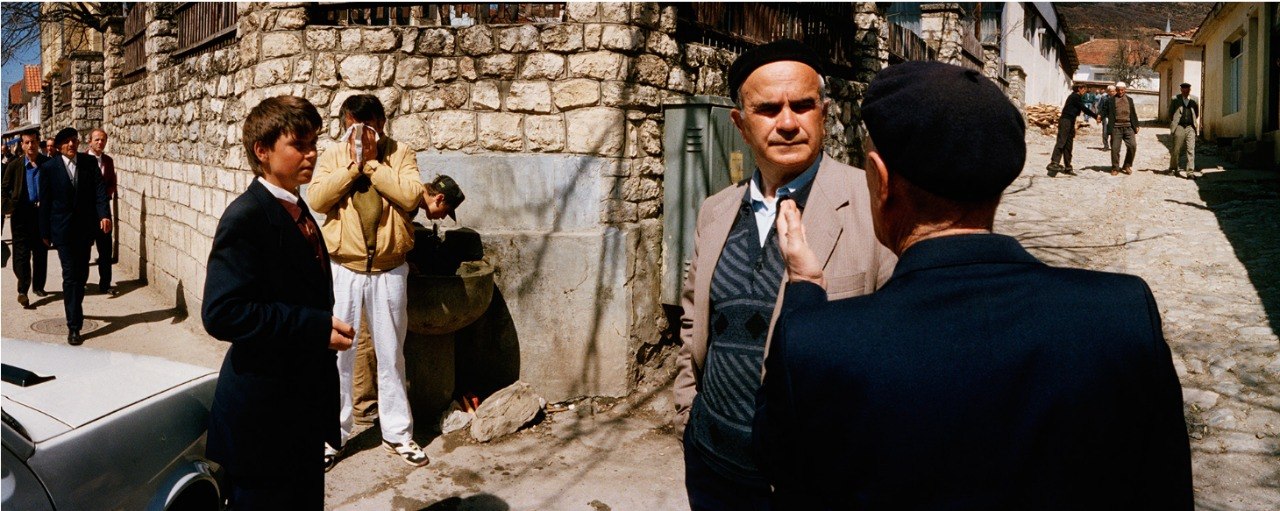
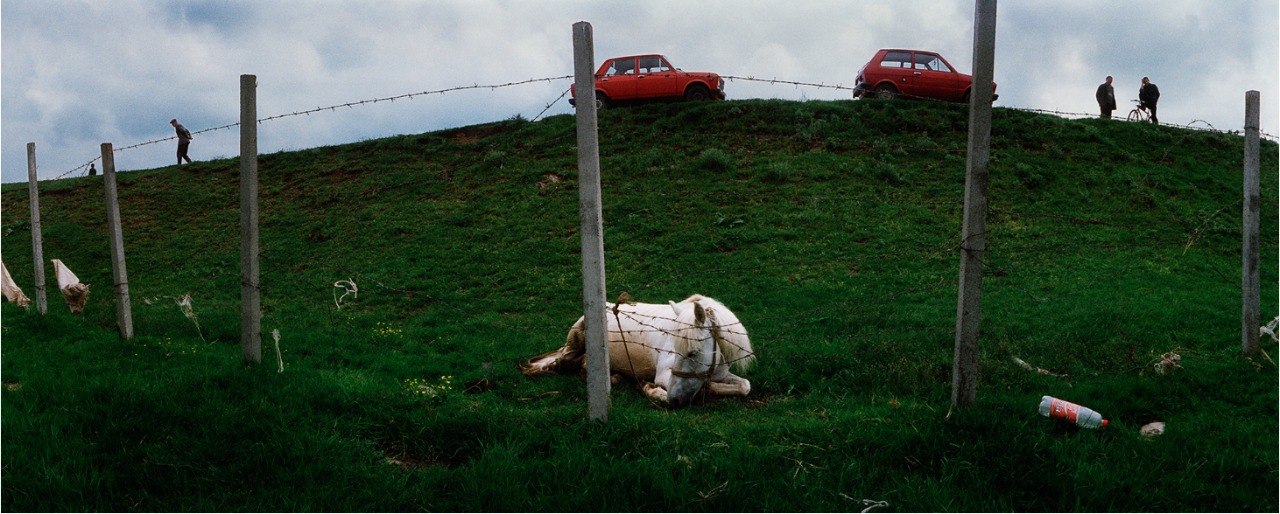
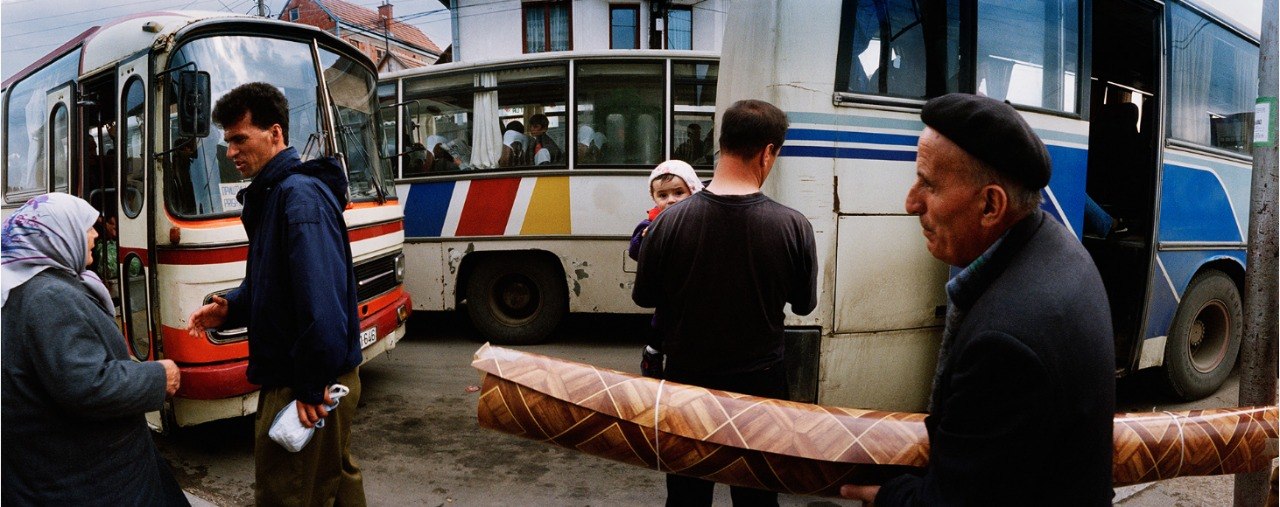
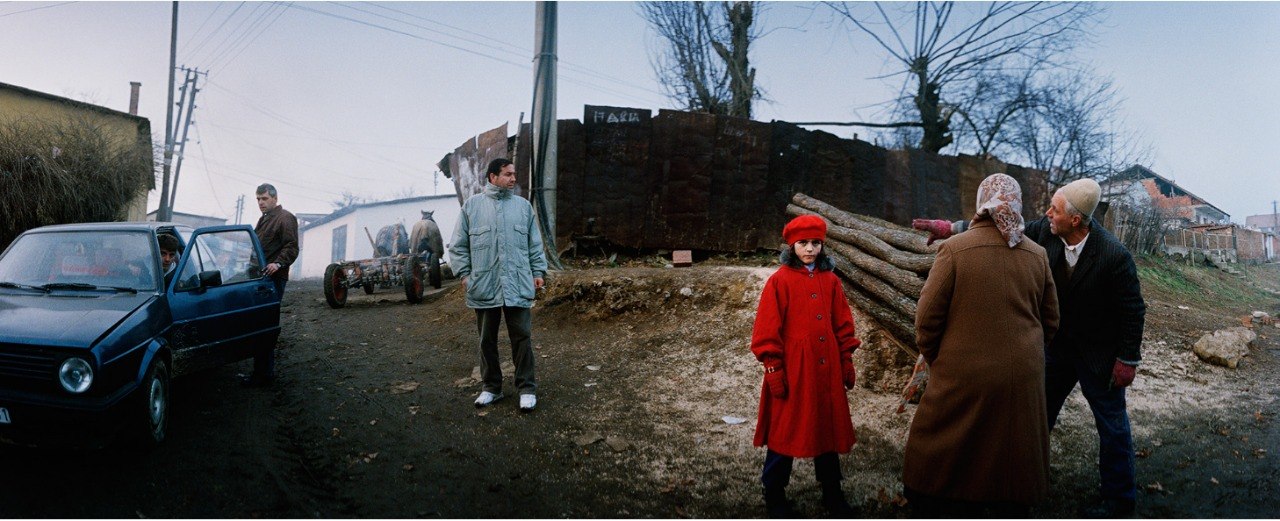
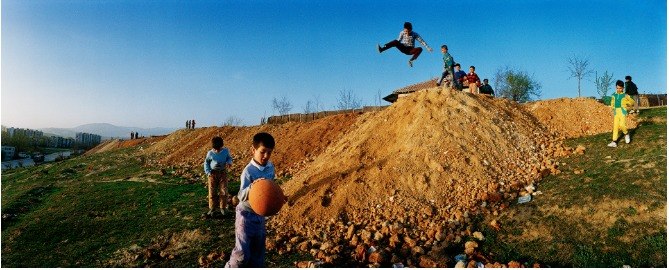
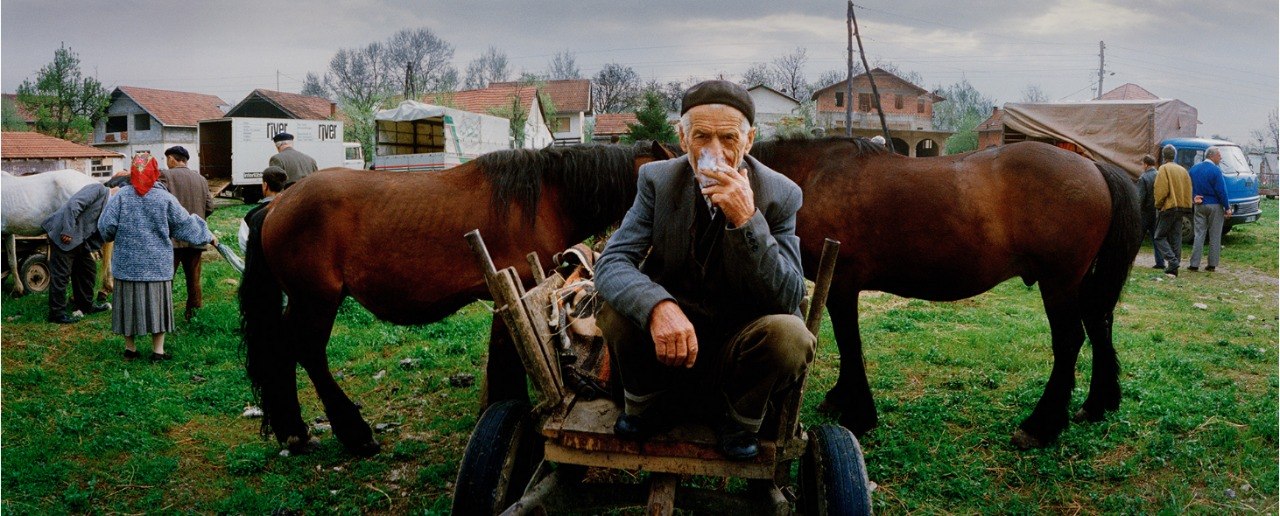
These are pictures from my first book. The first time I linked a larger number of single images to each other. The situation and circumstances demanded creating a story reaching deeper than the images could do one by one. My first impressions from Sarajevo during the siege became the lead motive.
I had been to Yugoslavia several times during the 1980s, travelling with friends, enjoying the clear blue Adriatic, the cheap beers, the astonishing nature and the hospitality of the people we met. But even if I liked and thought I knew the country, I had been too naïve and hadn’t understood what was happening on a political level at the same time. When the wars in Croatia and Bosnia started, and the brutality and evil became obvious, it took me a while before I could comprehend it all.
I didn’t think of myself as a war photographer, and I was not ready to risk my life to make pictures. Still, when I got an opportunity to go to Sarajevo, I understood I had to go.
I thought I knew what to expect. I had been following the news, which were filled with explosions and shelling, people running over open spaces to avoid sniper fire, a full-blown drama. And all of it was there. But my main impression was the feeling that time had stopped. The hope during the first months of war, when the Sarajevans were sure that the surrounding world would act and stop the insanity, had transformed into a state of restlessness and eternal waiting for a future no one knew when it would come.
This initial impression made me understand that what I could contribute with would be something else than the dramatic events on the frontlines. I could rest in the assurance that anybody who saw my pictures would also know about the other aspects of the wars. I was freeloading on the work of the real war photographers so to say. So in the coming years I focused on the everyday in the shadow of war.
During these years the wars in Yugoslavia totally filled my mind. I was shocked by the evil, the ethnic cleansing, the raping, the cold blooded killing. And I was enraged by the lack of will in the surrounding world to do what was necessary to stop what I saw as the return of fascism. My personal outcome in the end was the book. But along the way I made several exhibitions and numerous reportages for different magazines. It was a transforming period for me as a person and a photographer, but more importantly I really wanted to make people understand what was going on, on a deeper level.
Many years have passed. I’ve made other books, which somehow have been influenced by what I learned in former Yugoslavia. For one thing, they all seem to deal with European borderlands, one way or the other. Now I’m photographing in Ukraine. And I can’t help but seeing the similarities with the Balkan wars of the 1990s. A dominant, aggressive nationalism forcing itself upon people, claiming its right, regardless of the hate and destruction it creates. It is exploited, represented and forced into place by scrupulous leaders such as Milošević and Putin, for reasons linked to money and power, but the brainwashing and violence change peoples’ minds and will have consequenses for generations. I also see a similar naïvity in the surrounding world of what we are up against, leading to a refusal to engage strongly enough. I just hope Ukraine will not be forced into a peace agreement as devastating as the Dayton Agreement has been for Bosnia.
Jens Olof Lasthein
The Ukraine Project
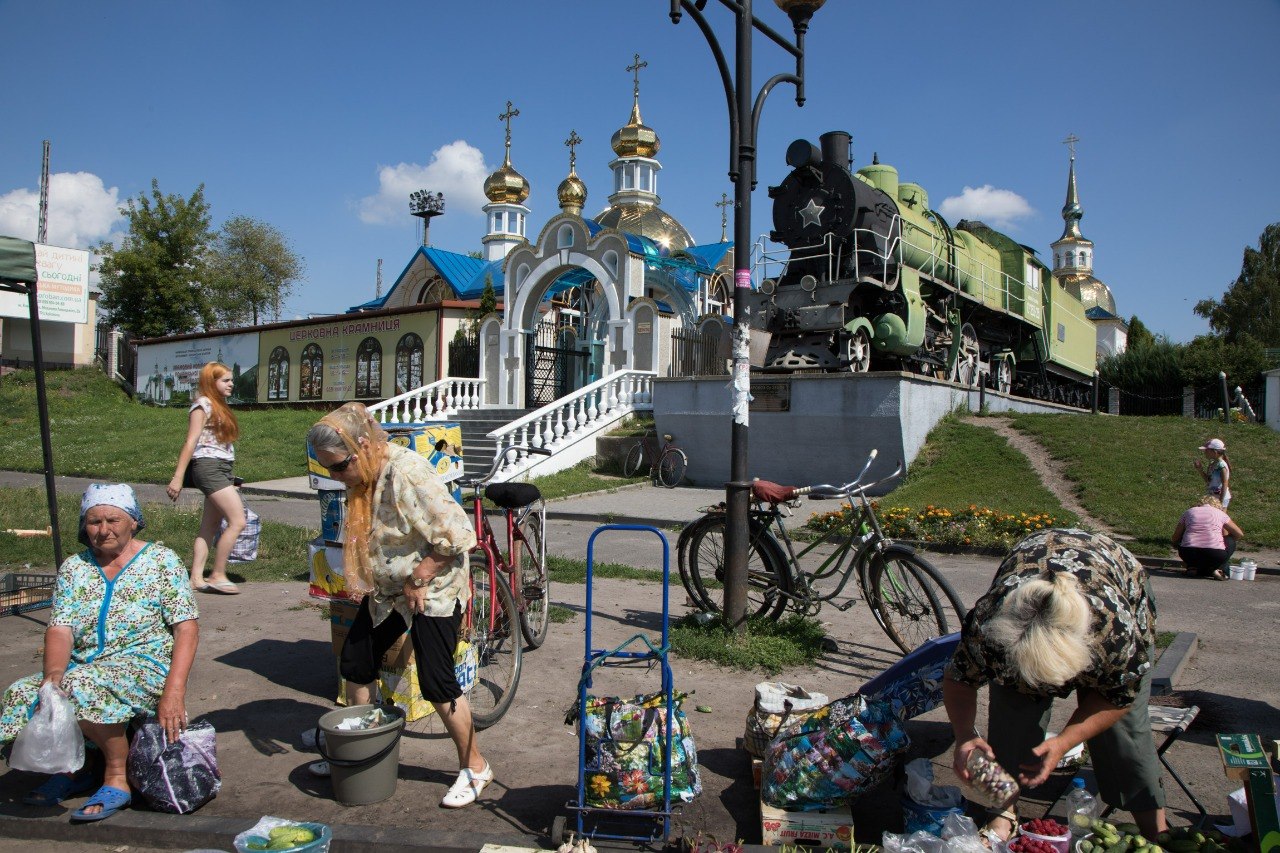
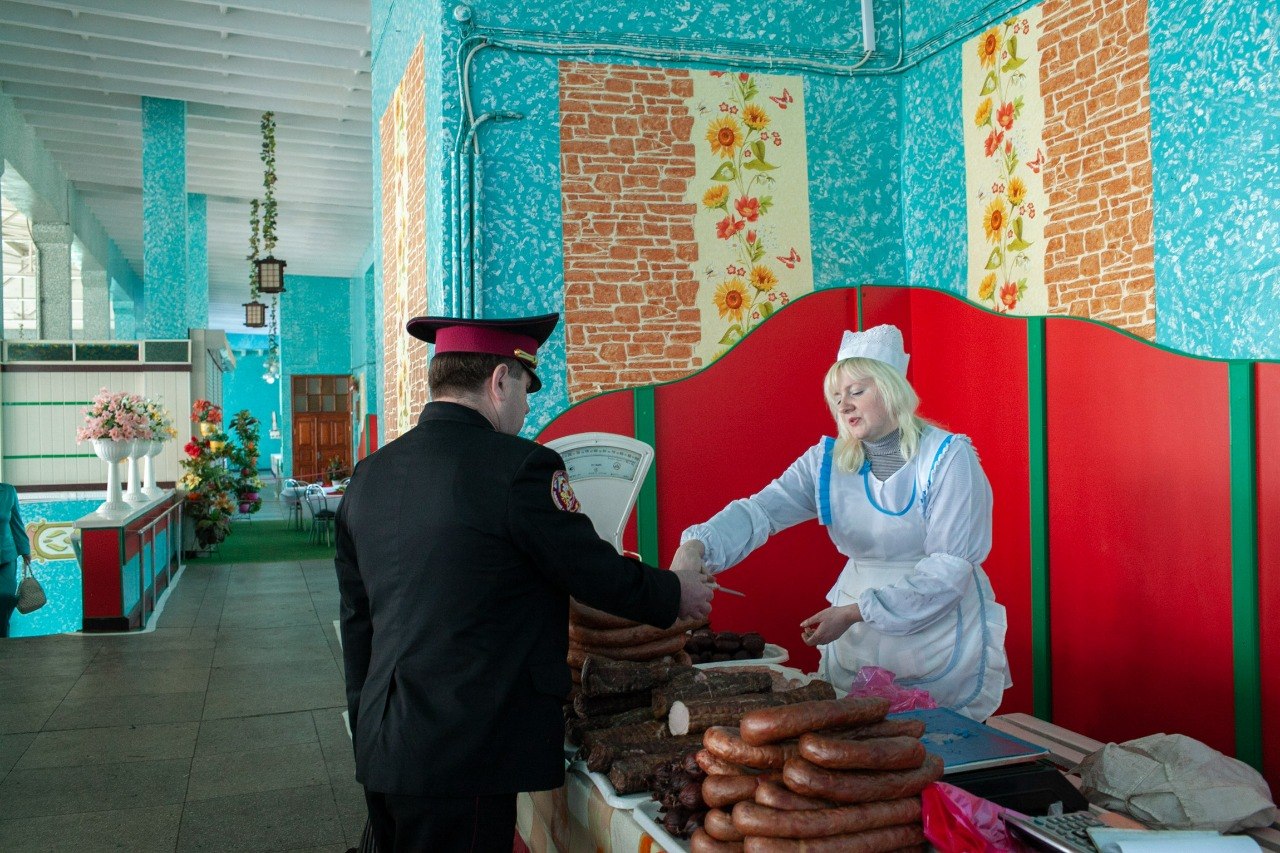
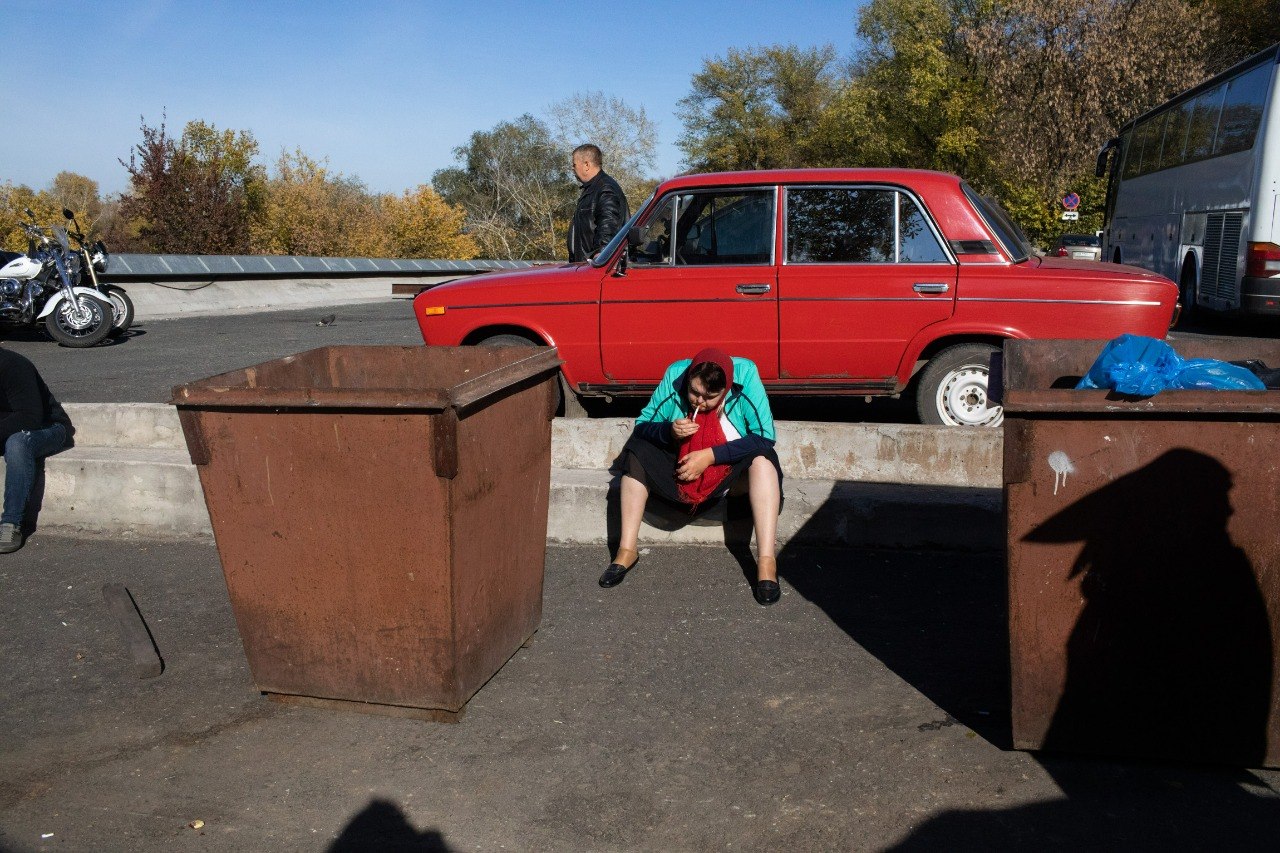
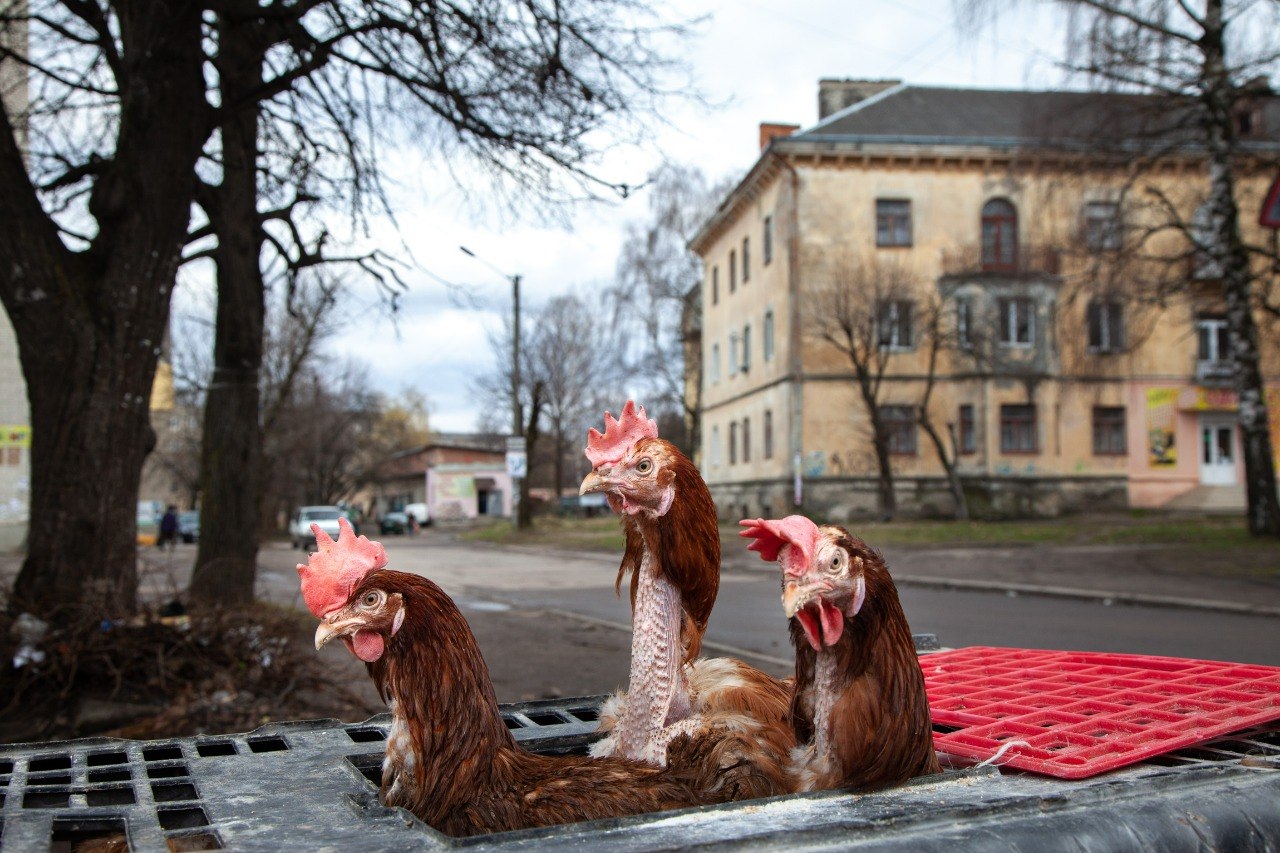
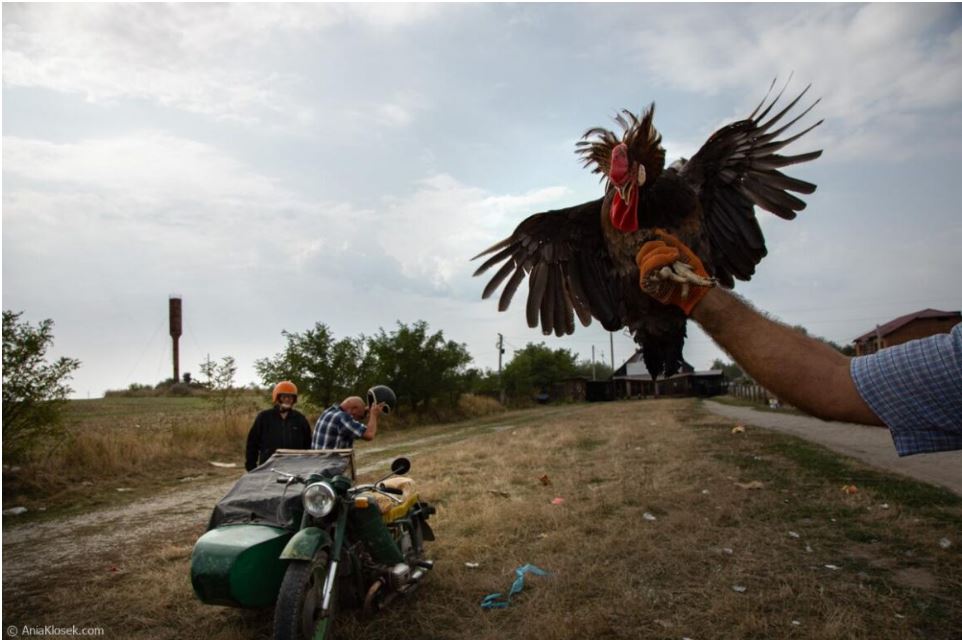
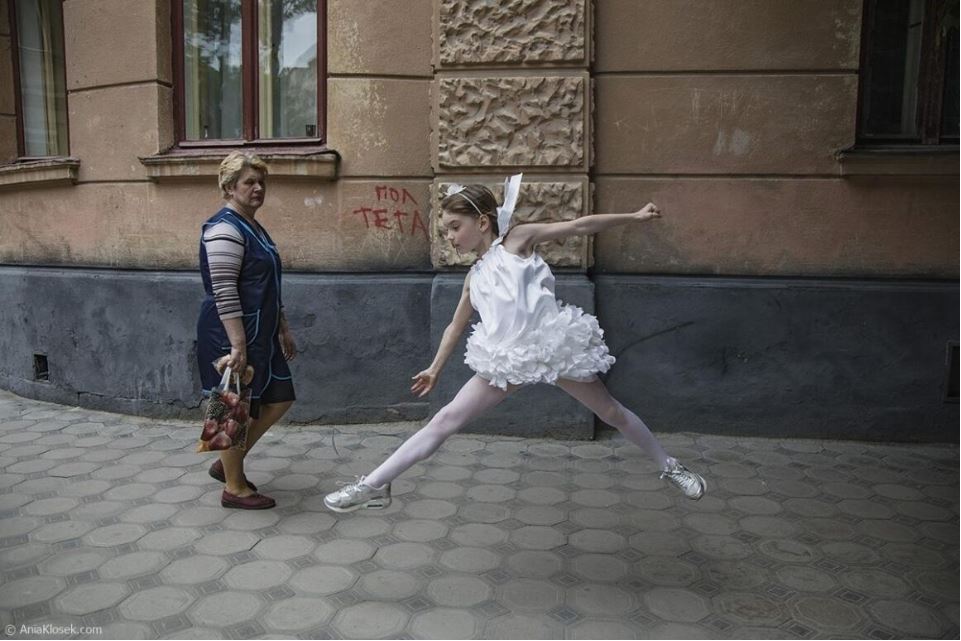
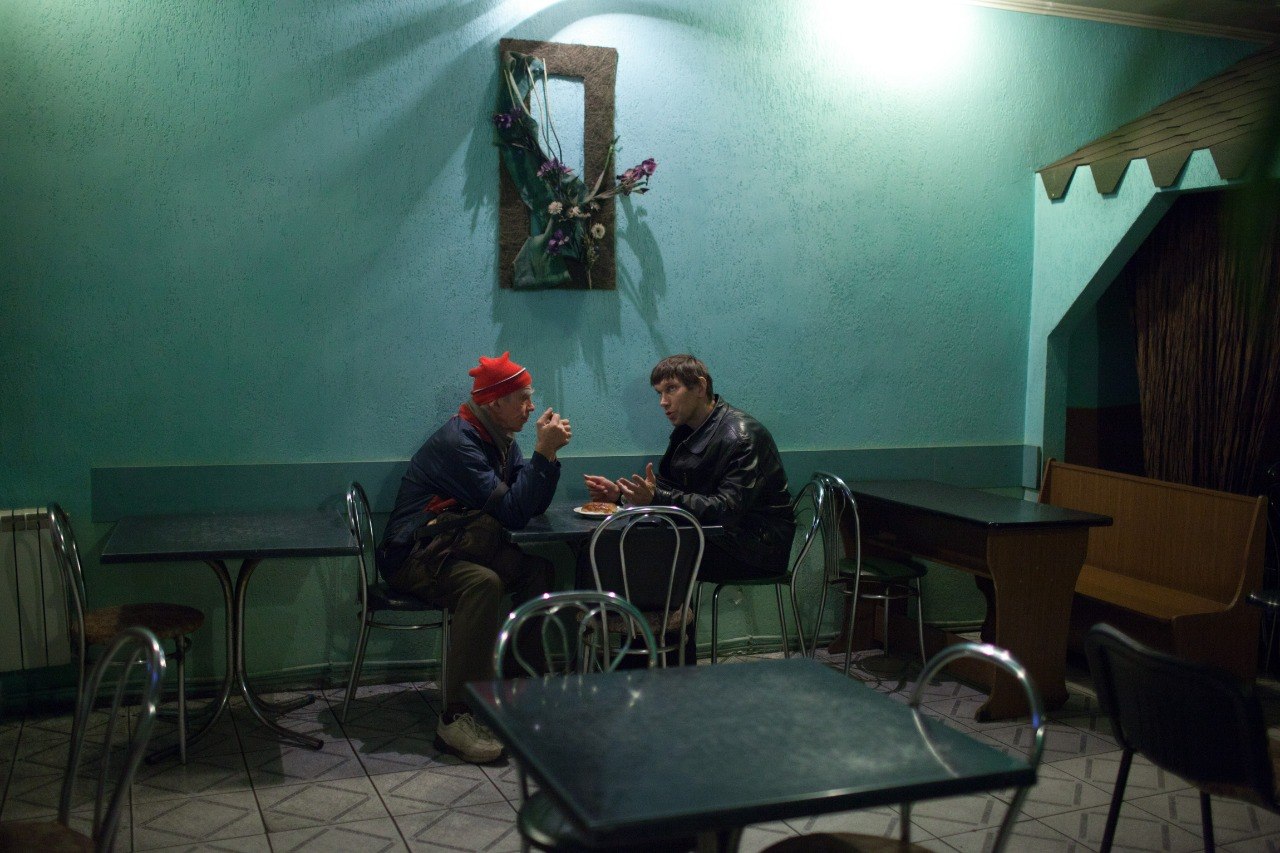
The project presents the life of Ukrainian society– a fleeting and uncertain reality shaped by rapid social, economic, and political change. The photographs capture moments that are already vanishing, much like a world on the edge of irreversible transformation. The enduring legacy of the USSR is being gradually erased, though unevenly and at different paces. Yet this fragile process unfolds under increasingly difficult conditions, as the war that has raged since 2014 steadily worsens everyday life and continues to devastate Ukraine. Against this backdrop, the images reveal both the vulnerability and the resilience of a society that continues to seek its place between past and future.
The photographs for the series were taken between 2015 and 2025.